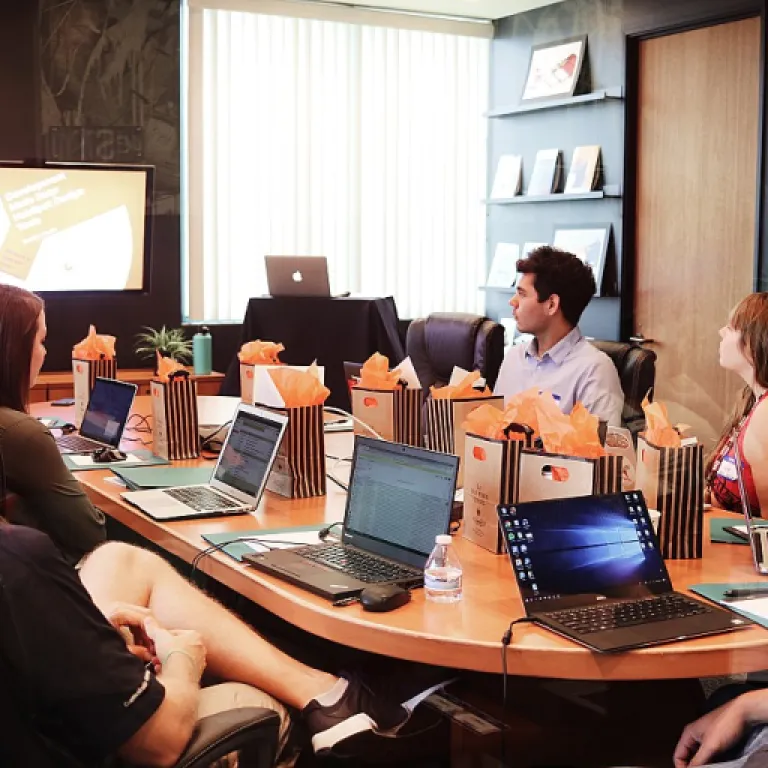
Understanding the value of team building consultants for HR leaders
Why HR Leaders Turn to Team Building Consultants
Chief human resources officers (CHROs) face increasing pressure to drive team performance and foster a culture of collaboration. In today’s corporate landscape, team building consultants have become essential partners for HR leaders who want to elevate their leadership journey. These experts bring a fresh perspective to team development, offering tailored building activities and events that go beyond the typical work day routine.
Team building consultants help HR leaders address the unique needs of their organization, whether it’s strengthening an existing team, launching a new development team, or supporting virtual team collaboration. By designing activities that encourage teamwork and open feedback, consultants create opportunities for employees to connect, share ideas, and build trust. This is especially valuable in large companies where team size and diversity can make it challenging to keep everyone engaged and aligned.
- Customized team building events for different company cultures and goals
- Development services that focus on leadership development and team-based problem solving
- Building workshops that foster communication and collaboration among team members
- Charity team activities that boost morale and reinforce corporate values
Investing in team building consultants is not just about organizing a fun event. It’s a strategic move to enhance team performance, improve employee engagement, and support long-term leadership development. As HR leaders explore ways to integrate these services into their broader strategy, they often look for measurable outcomes and sustainable impact. For those interested in optimizing their HR approach with advanced tools, exploring enhancing HR strategies with Six Sigma, cloud solutions, and ERP can provide additional value.
Ultimately, team building consultants offer more than just activities—they deliver a service that supports the growth and development of both people and the company as a whole. Their expertise helps HR leaders check the pulse of their teams, identify areas for improvement, and create a work environment where every person and team can thrive.
Key challenges faced by chief human resources officers in team management
Common Obstacles in Leading Teams as a CHRO
Chief human resources officers face a unique set of challenges when it comes to managing teams and driving team development. The complexity of today’s corporate environment means that HR leaders must constantly adapt their strategies to support both in-person and virtual team members. Let’s explore some of the most pressing issues encountered in this role.
- Aligning Diverse Teams: With employees coming from various backgrounds and departments, fostering collaboration team spirit can be tough. Ensuring that everyone feels included and valued during team building events or activities is essential for effective teamwork.
- Scaling Team Building Efforts: As companies grow, it becomes harder to design building activities that fit every team size or work style. A one-size-fits-all approach rarely works, especially when balancing the needs of a development team with those of a service or corporate team.
- Maintaining Engagement: Keeping employees motivated through regular team building events and development services can be challenging, particularly in a hybrid or virtual team setting. It’s important to check in with teams to gather feedback and adjust activities accordingly.
- Measuring Team Performance: Assessing the impact of team building workshops or charity team events on team performance is not always straightforward. HR leaders must develop reliable methods to track progress and demonstrate the value of these initiatives.
- Integrating Team Building into Daily Work: Ensuring that the benefits of building activities extend beyond the event day requires ongoing effort. Embedding teamwork and leadership development into the company culture is a continuous process.
For HR leaders looking to address these challenges, it can be helpful to explore proven consulting approaches that focus on process improvement and team-based solutions. By leveraging external expertise, chief human resources officers can better support existing team dynamics and drive sustainable development.
How team building consultants design tailored solutions
Crafting Solutions That Fit Every Team
Team building consultants bring a unique perspective to HR leadership by designing solutions that are not one-size-fits-all. They take time to understand the company culture, the size of the team, and the specific challenges faced by HR leaders. This means that every team building event or activity is tailored to the needs of the development team, the leadership group, or even a virtual team working remotely. The goal is to foster collaboration, boost team performance, and support leadership development in a way that feels authentic and engaging for employees.
From Assessment to Action
The process often begins with a thorough assessment. Consultants check in with HR leaders and team members to gather feedback about existing team dynamics and identify areas for improvement. This might involve surveys, interviews, or observing a typical work day. By exploring the strengths and weaknesses of the current team, consultants can recommend building activities that address real issues, such as communication gaps or lack of trust within teams.
- Interactive building workshops to strengthen teamwork
- Charity team events to encourage corporate social responsibility
- Virtual team activities for remote employees
- Development services focused on leadership skills
Adapting to Company Goals and Team Size
Whether working with a small person team or a large corporate group, consultants adapt their approach. They consider the company’s long-term development strategy and the specific goals of the HR leadership. For example, a building event for a new team might focus on icebreakers and trust-building, while an existing team could benefit from advanced collaboration team exercises. The flexibility of these services ensures that every team member feels included and valued.
Building Lasting Impact
Consultants don’t just organize one-off events. They aim to create lasting change by integrating feedback loops and follow-up sessions. This helps HR leaders keep track of progress and maintain momentum in team development. For more on how to turn workplace disagreements into productive conflict, explore strategies for productive conflict resolution that can be woven into team building initiatives.
Ultimately, the expertise of team building consultants lies in their ability to design and deliver development services that align with both the immediate needs and the long-term vision of the company. Their tailored approach supports HR leaders in building stronger, more resilient teams that drive organizational success.
Measuring the impact of team building initiatives
Tracking Progress and Outcomes in Team Building
Measuring the impact of team building initiatives is essential for chief human resources officers aiming to drive real change in their organizations. It is not just about hosting a team building event or running a series of activities. The real value comes from understanding how these efforts translate into improved teamwork, collaboration, and leadership development. To check the effectiveness of team building events, HR leaders often use a combination of qualitative and quantitative methods. Here are some practical ways to assess the results:- Employee Feedback: Gathering direct feedback from team members after a building workshop or event provides insight into engagement and satisfaction. Surveys and open discussions help identify what worked and what could be improved for future activities.
- Team Performance Metrics: Monitoring key indicators such as productivity, collaboration, and communication within teams before and after team building activities helps track progress. This can include project completion rates, quality of work, and even customer service outcomes.
- Participation and Engagement Rates: Tracking the number of employees who take part in building events or virtual team activities can reveal the overall interest and inclusivity of your initiatives. High participation often signals a positive company culture.
- Behavioral Changes: Observing shifts in team dynamics, such as improved trust, problem-solving, and willingness to support one another, is a strong indicator of successful team development services.
Using Data to Drive Continuous Improvement
Team building consultants often help HR leaders set up systems to collect and analyze data from each event. This data-driven approach allows companies to refine their building activities, ensuring they align with business goals and the needs of each development team. For example, a charity team event might boost morale and collaboration, while a building workshop focused on leadership can support long-term leadership development. A table can help summarize key metrics to monitor:| Metric | How to Measure | Why It Matters |
|---|---|---|
| Employee Engagement | Post-event surveys, participation rates | Indicates team buy-in and satisfaction |
| Team Performance | Project outcomes, productivity stats | Shows impact on work quality and output |
| Collaboration | Peer feedback, observation | Reflects improved teamwork and communication |
| Leadership Growth | 360-degree reviews, leadership assessments | Tracks development of future leaders |
Integrating team building into long-term HR strategy
Embedding Team Building into Everyday HR Practices
For chief human resources officers, the real value of team building comes from making it a continuous part of company culture, not just a one-off event. Integrating team building activities into the long-term HR strategy ensures that teamwork, collaboration, and leadership development become part of the daily work experience for all employees.
- Regular team building events: Scheduling recurring building activities—whether in-person or virtual—helps keep teams engaged and strengthens relationships over time. These can range from quick, day-to-day exercises to larger corporate events or charity team initiatives.
- Feedback and measurement: After each building event, gather feedback from team members to check what worked and what could be improved. Use this input to refine future activities and align them with your company’s leadership development goals.
- Linking to business objectives: Align team development services with broader company objectives, such as improving team performance, supporting a development team, or fostering a culture of innovation. This approach ensures that building consultants and HR leaders are working towards measurable outcomes.
- Customizing for team size and needs: Not all teams are the same. Tailor building workshops and events to fit the size and unique challenges of each team, whether it’s a small person team or a large collaboration team spread across locations.
By making team building a regular part of your HR strategy, you create a foundation for ongoing employee development and stronger teamwork. This approach also helps embed leadership skills and a sense of belonging into the company’s DNA, supporting both existing teams and new hires as they join the organization. Over time, this consistent focus on team based development leads to higher engagement, better performance, and a more resilient corporate culture.
Choosing the right team building consultant for your organization
Factors to Consider When Selecting a Team Building Consultant
Choosing the right team building consultant is a crucial decision for any chief human resources officer. The right partner can help your company achieve meaningful development, improve teamwork, and create lasting impact through tailored building activities and events. Here are some key factors to keep in mind as you explore your options:
- Experience and Expertise: Look for consultants with a proven track record in delivering successful team building workshops and leadership development services. Check if they have experience with both in-person and virtual team events, as well as with teams of various sizes and industries.
- Customization and Flexibility: Your organization’s needs are unique. The best consultants will offer tailored solutions that address your specific team challenges, whether you’re focusing on a small development team or a large corporate event. Ask about their approach to customizing activities for existing teams and new team members alike.
- Range of Activities: Evaluate the variety of building activities and events they provide. From charity team events to collaboration team workshops, a diverse portfolio allows you to keep team engagement high and address different aspects of team performance and development.
- Feedback and Measurement: Effective consultants will have systems in place to gather feedback from employees and measure the impact of their services. This ensures you can track progress and make informed decisions about future team development initiatives.
- Alignment with Company Culture: The consultant should understand your company’s values and culture. Their approach to team building should complement your leadership style and support your long-term HR strategy.
- References and Reputation: Ask for references from other organizations that have used their service. A reputable consultant will be transparent about their results and willing to share success stories from previous building events.
Questions to Ask Potential Consultants
- How do you tailor your team building activities to our company’s goals and team size?
- What is your process for integrating feedback from team members and leadership?
- Can you provide examples of successful team development projects with measurable outcomes?
- How do you ensure privacy policy compliance during team building events?
- What support do you offer for ongoing team performance and leadership development?
Taking the time to check these aspects will help you select a consultant who can truly elevate your HR leadership journey. The right partner will not only deliver engaging building events but also support your company’s long-term growth and team-based success.
